On this page
- Is Tanjung Bira safe?
- Is it safe to swim at Tanjung Bira?
- How risky are the cliffs?
- How safe are small boats and ferries?
- What about roads and motorbikes?
- What about health?
- What should women and solo travellers keep in mind?
- Where is the regional hospital and who do you call?
- What else should you know about safety in Bira?
- Which sources support this page?
- How do I reach the desk?
By Bira Sulawesi Editorial Desk
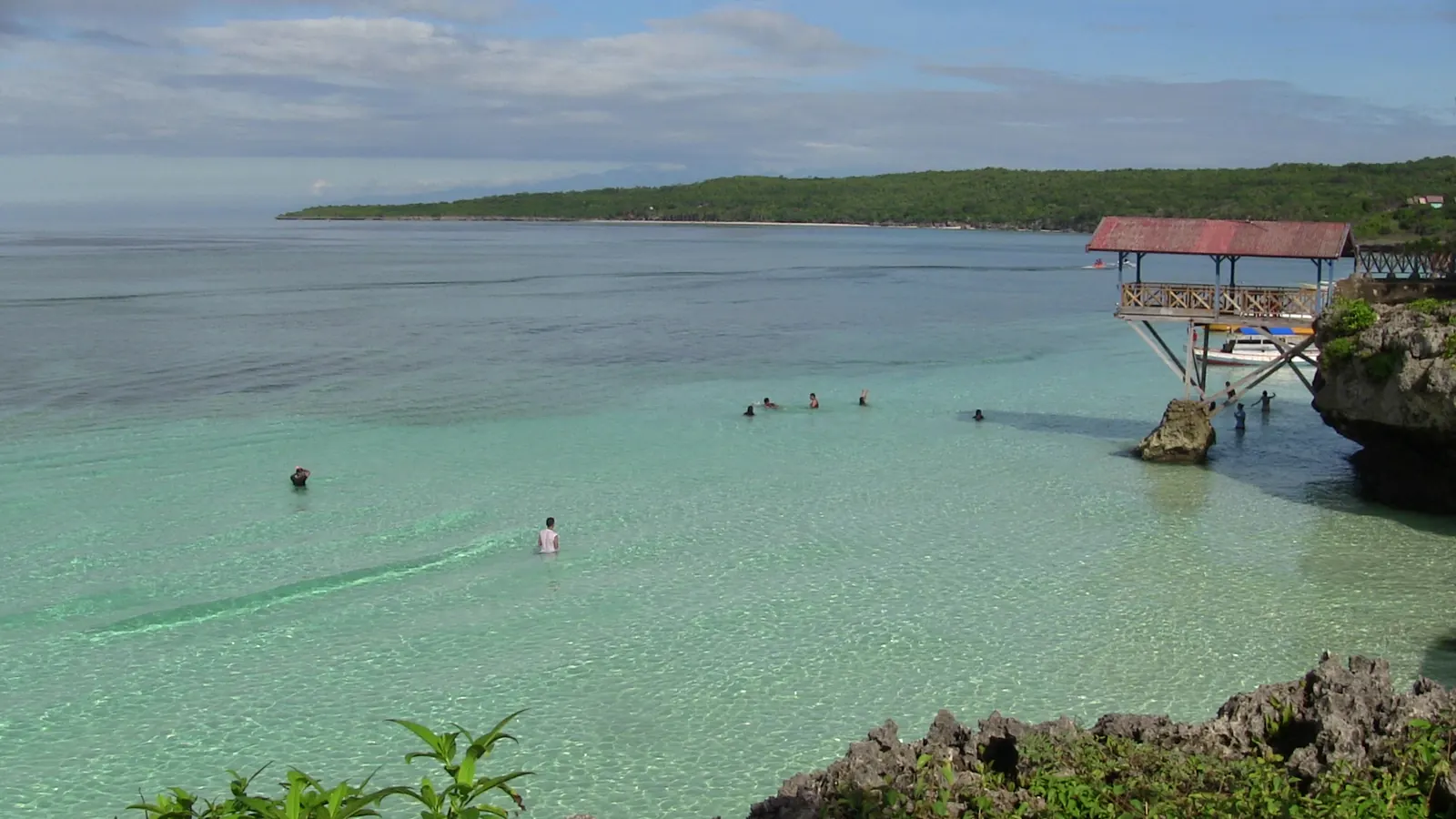
Is Tanjung Bira safe? No one can promise that, and the useful question is which risks apply to what you plan to do. The main ones are unpatrolled water, unfenced cliffs, small boats and narrow roads after dark. The sections below say what government advice and local warnings ask you to check.
Is Tanjung Bira safe?
It depends on what you do, so this page goes activity by activity. Government advice for Indonesia is national and does not rate the cape on its own, and local warnings mostly come from a resort guide, so each is labelled. Read the table as a checklist of things to take seriously. It does not measure how likely any of them is.
| Activity | Main risk reported | Reported by | What to do |
|---|---|---|---|
| Swimming | No lifeguards; currents and boat traffic | Seascapes Bira; Smartraveller; Kitecorner | Swim in company, away from boats, and stay in your depth |
| Cliff walking | Unfenced, unlit, undercut edges | Seascapes Bira | Stay back from the edge, and go in daylight |
| Cliff jumping | Unsupervised, limited ladders, current | Seascapes Bira | This page does not encourage it |
| Small boats | Fast sea changes, varied standards | UK government; Smartraveller | Check life jackets first, and avoid night or rough-water trips |
| Motorbikes | Narrow unlit roads after dark | Seascapes Bira | Ride in daylight, and check your insurance |
| Diving | Strong currents at some sites; emergency access | National tourism site; UK government | Vet the operator before you pay |
Is it safe to swim at Tanjung Bira?
You are responsible for your own safety in the water. The Seascapes Bira guide states that there are no lifeguards on any beach in Bira. Australia's Smartraveller says many beaches in Indonesia are unpatrolled and can be dangerous because of rough seas and strong currents, which is national advice and not specific to Bira.
Do not be reassured too quickly by calm-looking water. The national tourism site describes relatively calm waves at Tanjung Bira Beach, but that wording says nothing about currents further out or about supervision. A kite-sport site warns of strong tidal currents around the cape and heavy boat traffic, including the car ferry and dive boats. So keep clear of boat lanes, and do not swim out alone. Seascapes says the reef off Bara Beach can be snorkelled by swimming out from the sand, but says to go with a buddy as the beach has no lifeguard. Parents of young children should stay within arm's reach, because nobody else is on watch. Snorkeling in Bira compares shore and boat options.
How risky are the cliffs?
The cliffs carry a risk that is easy to underestimate, because the view pulls you towards the edge. The Seascapes guide says clifftops on the eastern rim are not fenced, lit or watched, and that the limestone is undercut by the sea. An undercut edge may have nothing beneath it, so stand well back and keep children close.
The same guide says jumping from the lower platforms at Apparalang is unsupervised, ladders are limited, and current picks up when the wind is in the east. Getting out of the water can be harder than getting in. The Apparalang cliffs guide describes the walkways. There is an animal risk nearby as well: Seascapes says macaques live in the small park at the point and should not be fed.
How safe are small boats and ferries?
Treat every boat as one you must check yourself. The UK government says travelling by boat or ferry in Indonesia can be dangerous, that sea conditions can change rapidly and that safety standards vary. It also advises checking life jackets and lifeboats and notes that children's life jackets are not always available, so a family may want to bring its own. Smartraveller advises always wearing a life jacket and avoiding water travel after dark, in storms or in rough weather.
Before you step on a boat, look at the life jackets, count them and try one. Check BMKG's marine forecast for Bulukumba waters on the day. If the boatman says no, accept it, and if you feel the boatman should say no, then get off. Ferries here do get held for weather, as they were in February 2026 and August 2026, and the Bira ferry port guide explains what to check. A delay at the port is better than a rough crossing.
What about roads and motorbikes?
The road in is long and slow. The Seascapes guide says it is sealed the whole way but averages around 35 to 40 km/h because it runs through many villages. It adds that first-timers should avoid the last stretch after dark, since the final 40 km is narrower with tight bends.
Getting around the cape commonly means a rented motorbike, and the same guide warns that narrow, unlit roads after dark are risky on an unfamiliar bike. If you do not ride regularly at home, a holiday on these roads is a poor place to learn. Our own suggestions, not from a source: check whether your travel insurance covers you as a rider, and on what licence, before you take the keys, wear a helmet, and get back before dark. One small thing to keep: the tourism office notice tells visitors to keep their entry receipt as proof of an insurance policy, with Jasa Raharja Putera named as the insurer. Ask what it covers, and do not treat it as a replacement for your own policy.
What about health?
See a clinician before you go, and name South Sulawesi specifically. The UK advice lists malaria, dengue and Zika among health risks in Indonesia. CDC says malaria is a risk in some parts of Indonesia and recommends some travellers take preventive medicine. Neither of those pages names Bulukumba, so this guide does not state a local malaria risk either way. Your clinician can look at your route and history.
CDC also advises avoiding wild animals and unfamiliar dogs and cats to prevent rabies, which is another reason to leave those macaques alone. Our own suggestion: bring what you take regularly, and insect repellent.
What should women and solo travellers keep in mind?
We have no rating of the cape for solo or female travellers to give you, so be wary of blanket claims. What can be said is about culture and plain logistics. Wikipedia says most residents of Ara village are Muslim and of Makassar-Konjo ethnicity, speaking the Konjo dialect of Makassar. That describes Ara and is not a survey of the whole cape. During Ramadan, the UK government tells visitors to follow local dress codes. Our own suggestion at any time of year is to cover up in villages, at the yards and on the road, whatever you wear at a resort.
Some places have firm rules for everyone. SulawesiPos lists visitor rules for Kajang Dalam: all-black clothing, no footwear, no filming or photos without permission, and following customary leaders. See Ammatoa Kajang village before you go. If you are on your own, the risks above weigh more. With no buddy in the water and no second rider on a dark road, it pays to swim near others, travel by day and tell your lodging where you are going.
Where is the regional hospital and who do you call?
Know this before you need it, and keep it on paper as well as your phone. The UK government lists Indonesian emergency numbers as ambulance 118, fire 112 and police 110.
The regional hospital is RSUD H. Andi Sulthan Daeng Radja, on Jl. Srikaya No. 17, Caile, Ujung Bulu, with a 24-hour emergency unit listed on its site. Whether a clinic is closer is not something we can state, so ask your lodging on arrival. The national tourism site gives about 40 km and about 1 hour between Bulukumba town and the beach, so plan for serious delays in a real emergency and work out in advance how you would travel. For consular help, Smartraveller lists an Australian Consulate-General in Makassar, and other nationals should look up their own.
Divers have more to arrange. The national tourism site warns of strong currents at Kambing Island, covered in Kambing Island diving. The UK government's checklist for divers, and what is known about hyperbaric care in Makassar, are on diving in Bira. Ask your operator to confirm the emergency plan before you dive.
What else should you know about safety in Bira?
Is it safe to swim in Tanjung Bira?
There is no supervision to rely on. The Seascapes resort guide says no beach in Bira has lifeguards, and a kite-sport site warns of tidal currents and boat traffic. Swim with someone and stay in your depth.
Are there lifeguards in Bira?
The Seascapes resort guide states there are none on any beach in Bira. Smartraveller also says many Indonesian beaches are unpatrolled. Plan as if no one will come to help you quickly.
What are the emergency numbers in Indonesia?
The UK government lists ambulance 118, fire 112 and police 110. Save them before you travel and share them with the people you are with.
Where is the regional hospital for Tanjung Bira?
The regional hospital listed for the area is RSUD H. Andi Sulthan Daeng Radja in Ujung Bulu, whose site lists a 24-hour emergency unit. The national tourism site gives about 1 hour between Bulukumba town and the beach, so ask your lodging on arrival whether a clinic is closer.
Is Tanjung Bira safe for solo travellers?
We have no rating to give. Solo trips raise the stakes on swimming and night roads, so swim near others, travel by day and tell your lodging your plans.
Which sources support this page?
- Seascapes Bira (resort): Tanjung Bira guide
- Smartraveller (Australian government): Indonesia
- Indonesia Travel (national tourism site): Pantai Tanjung Bira
- Kitecorner (kite-sport site): Tanjung Bira
- Seascapes Bira (resort): diving page
- UK government: Indonesia safety and security
- BMKG: marine forecast, Bulukumba waters
- Detik: ASDP postpones Selayar route sailings, February 2026
- Detik: ASDP on-off sailing at Bira port, August 2026
- Seascapes Bira (resort): getting here
- Bulukumba tourism office: Bira zone tariff notice, 2024
- UK government: Indonesia health
- CDC: travellers to Indonesia
- Wikipedia (Indonesian): Ara, Bonto Bahari, Bulukumba
- SulawesiPos: Kajang customary area, 2 March 2026
- UK government: Indonesia getting help
- RSUD H. Andi Sulthan Daeng Radja (Bulukumba regional hospital)
- Indonesia Travel (national tourism site): Makassar and Kambing Island warning
How do I reach the desk?
The desk cannot respond to emergencies, so use the numbers above if someone is in danger. For planning questions about a family trip, a solo stay or an activity you are unsure of, write on WhatsApp 6281139414563 or to bd@juaraholding.com.
We have a commercial interest, since requests can result in a paid booking. A written offer names any fee, the price and the contracting company before you agree. It is not a safety assurance, and we cannot give one.
Send the desk your dates, group size, and what you want to do. The desk replies in writing.
Ask the desk on WhatsApp bd@juaraholding.com