On this page
- Can you try freediving in Tanjung Bira?
- What do the course levels involve?
- Which months are reported for teaching?
- Why might the coast be calm?
- What safety checks should you make?
- Is there any published guidance for freediving outside a course?
- What else should you know about freediving in Tanjung Bira?
- Which sources support this page?
- How do I reach the desk?
By Bira Sulawesi Editorial Desk
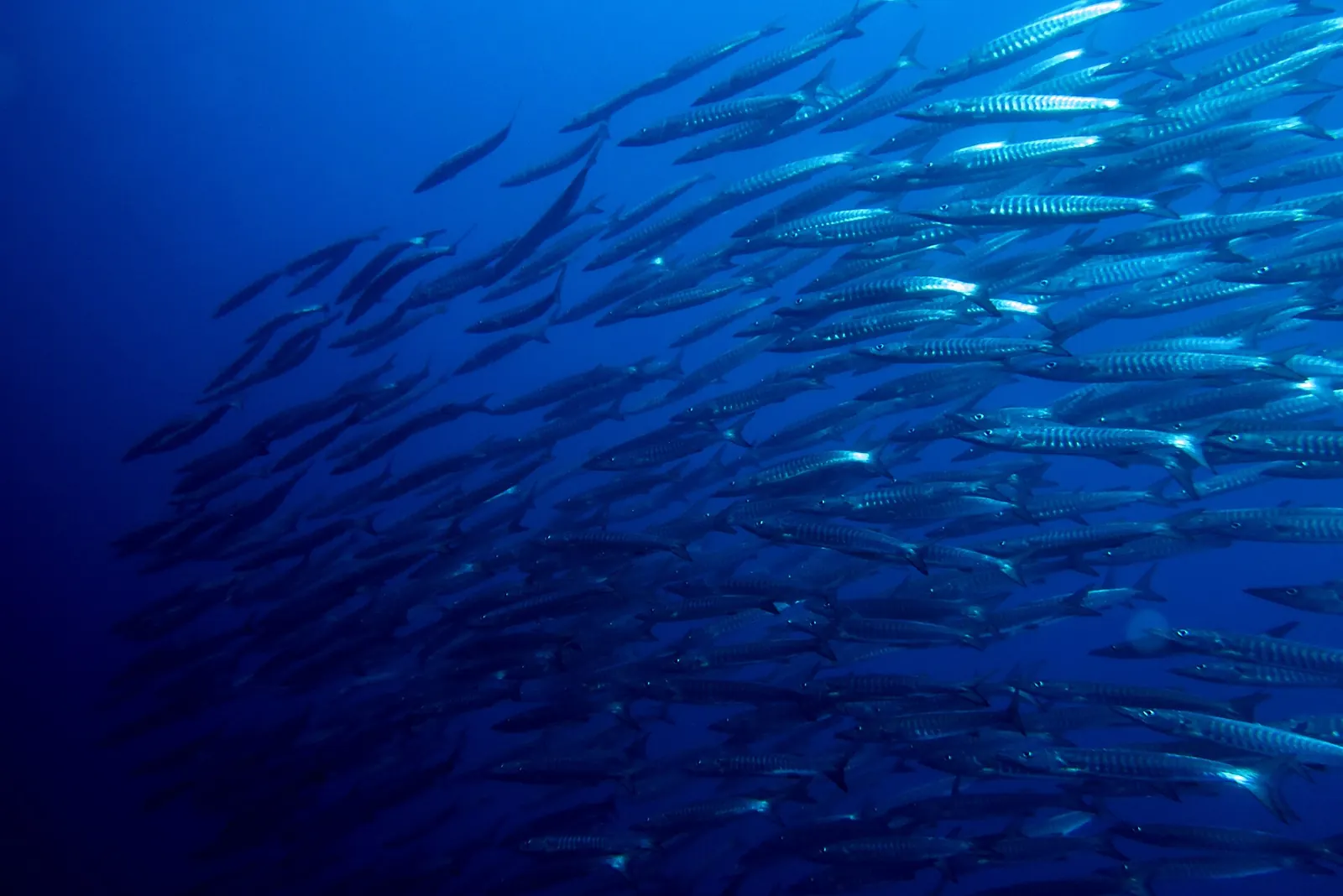
Freediving in Tanjung Bira is reported around one school, Freedive Sulawesi, teaching at Tevana House Reef, according to the neighbouring property Seascapes. It reports Level 1 at three days, Level 2 at four, and teaching from March to December. All of this is second hand, so confirm levels, dates and safety cover with the school before paying.
Can you try freediving in Tanjung Bira?
Yes, as far as published sources show, though the evidence is thin and comes from one direction. Seascapes, a resort on the cape, says Freedive Sulawesi teaches at Tevana House Reef. Tevana's own activities page mentions conditions that suit freediving and snorkelling. That is enough to say a course exists on paper. Who is teaching this season, how many students share an instructor and which certificate you would receive are questions for the school.
The course details below are therefore reported by a neighbouring business and not by the school itself. Bira Sulawesi does not run courses, and nothing here is a booking or a promise of a place. Treat this page as a list of what to ask.
What do the course levels involve?
Seascapes' guide gives the outline below. "Trains to" is the depth a course works towards, and reaching it is never assured for any student.
| Option | Length | Ocean sessions | Trains to | Condition |
|---|---|---|---|---|
| Level 1 | Three days | Two | 15 m | None reported |
| Level 2 | Four days | Three | 24 to 30 m | Requires Level 1 |
| Half-day recreational session | Half a day | Not stated | Not stated | At least two people |
Two planning points follow. First, the half-day sessions need at least two people, so a solo traveller should ask whether the school can pair you with someone before counting on one. Second, Level 1 takes three days, and that is a whole short trip. Seascapes itself calls three full days ideal for a stay and suggests four or five for divers, though it sells rooms and benefits from longer visits. A course leaves little slack for a windy day, so ask what happens to unused sessions. If you hold a certificate from elsewhere, ask whether it counts towards the Level 1 requirement. No certifying agency is named either, so that is the first question to put to the school.
Which months are reported for teaching?
Seascapes says Freedive Sulawesi teaches from March to December. Teaching months and good sea days are separate questions, and sources disagree on the sea:
- The national tourism site calls April to October the ideal dry-season window.
- Seascapes calls April to November dry with calm seas, and says December to March brings wind and short heavy showers.
- Sulawesi.com, a tour seller, says November to March brings strong onshore winds and that boat charters to Liukang stop on most days.
Set against Seascapes' own teaching window, March and December fall inside the months the same guide describes as windy. That does not rule them out, particularly if the training site is sheltered, but it is why you should ask directly how many ocean sessions were lost last year in your chosen month. The best time to visit Bira page sets out the weather sources in more detail.
Why might the coast be calm?
The claim comes from an operator describing its own shoreline. Tevana House Reef says that with the east winds its coast is protected from waves, making conditions suit freediving and snorkelling. A separate operator describes the cape as having two coasts, so wind direction can matter a great deal over a short distance.
Shelter close to shore does not settle the whole picture. Detik reported on-off ferry sailing at Bira in August 2026 because of east wind and waves, which shows what that wind can do on open water. Kitecorner, written for kiters, warns of tidal currents and boat traffic around the cape, the car ferry among them. Ask what surface float or flag the school uses and where it trains relative to boat routes.
Morning also gets a mention. Seascapes advises boat trips before eleven, saying the sea is flattest then. That is general advice, but it is worth asking whether ocean sessions follow the same pattern.
What safety checks should you make?
The UK government's checklist on diving in Bira was written for divers, but the same questions fit a freediving school. Put these to the school before you pay, and take a vague answer as an answer:
- Who will teach on my dates, and which agency issues the certificate?
- How many students share one instructor in the water?
- Is oxygen on site or on the boat, and who is trained to give it?
- What is the written plan for a blackout or a near-drowning, and where does the casualty go?
- Does my travel insurance cover freediving, and to what depth? Check this with the insurer, in writing.
- What happens to my sessions if the sea is too rough?
The transfer question deserves a straight answer because the distances are long. What is known about hyperbaric care in Makassar is on the diving page, and the drive to the city is itself disputed: the national tourism site gives roughly 5 to 6 hours and Detik reports 3 to 4. The Bulukumba regional hospital lists a 24-hour emergency unit on its site.
Ask the school and your doctor about breath-hold risks, because nothing here is medical advice. Our safety page covers beaches and general water risks across the cape.
Is there any published guidance for freediving outside a course?
No. Ask the school. The sources on Liukang Loe and Kambing were written for divers, so we will not offer a spot list, depth chart or current table for freedivers. Seascapes splits Liukang Loe into a calm inner side for beginner divers and a deeper outer side with current, and it does not address freedivers. The national tourism site's warning about Kambing Island is covered further on the Kambing Island diving page. See diving in Bira for how operators describe the wider area.
What else should you know about freediving in Tanjung Bira?
Can I learn freediving in Tanjung Bira?
Seascapes, a neighbouring resort, says Freedive Sulawesi teaches at Tevana House Reef. Confirm with the school that it is teaching on your dates, since Bira Sulawesi does not run courses.
How long is a freediving course in Bira?
As reported by Seascapes, Level 1 runs three days with two ocean sessions and Level 2 runs four days with three. Half-day recreational sessions need at least two people.
When is freediving season in Bira?
Seascapes says the school teaches from March to December. Its own guide describes December to March as windier, so ask the school how often sessions are lost in the month you plan to come.
Is freediving safe in Tanjung Bira?
Nobody can promise that. Check credentials, insurance, oxygen and emergency transfer as UK government advice suggests for divers, and ask the school and your doctor about breath-hold risks.
Which sources support this page?
- Seascapes: Tanjung Bira guide (resort)
- Seascapes: diving page (resort)
- Tevana House Reef: activities (operator)
- UK government: Indonesia safety and security
- RSUD H. Andi Sulthan Daeng Radja, Bulukumba
- Detik: ASDP on-off sailing at Bira, August 2026
- Detik: spots in the Tanjung Bira area, May 2024
- Kitecorner: Tanjung Bira (sport guide)
- Indonesia Travel: Tanjung Bira Beach
- Indonesia Travel: Kambing Island
- Sulawesi.com: Bira, what it does well (tour seller)
How do I reach the desk?
The desk does not teach freediving and cannot hold a place on any course. For general trip questions, write to WhatsApp +62 811-3941-4563 or bd@juaraholding.com with your dates and experience level. Be aware that requests may turn into a paid booking, which is our commercial interest, and that only a written offer sets out a price, a fee and the contracting company.
Send the desk your dates, group size, and what you want to do. The desk replies in writing.
Ask the desk on WhatsApp bd@juaraholding.com